%2Ffit-in%2F250x250%2Fguide_websites%2F15533%2Fimages%2F1715982789891image55.png&w=1920&q=100)
/users/5803740d-4a27-4010-a26b-74c52dec1823/ratecard/525995382_1053462903625621_8472448792209954476_n.jpg)
%2F300x300%2Fusers%2F5803740d-4a27-4010-a26b-74c52dec1823%2Fratecard%2F525995382_1053462903625621_8472448792209954476_n.jpg&w=256&q=75)
%2F300x300%2Fusers%2F5803740d-4a27-4010-a26b-74c52dec1823%2Fimages%2Ffishing-crew-in-ms-2598.jpg&w=256&q=75)
%2F300x300%2Fusers%2F5803740d-4a27-4010-a26b-74c52dec1823%2Fimages%2Ffishing-adventure-ms-2692.jpg&w=256&q=75)
%2F300x300%2Fusers%2F5803740d-4a27-4010-a26b-74c52dec1823%2Fimages%2Fthree-fish-caught-ms-fishing-2719.jpg&w=256&q=75)
%2F300x300%2Fusers%2F5803740d-4a27-4010-a26b-74c52dec1823%2Fimages%2Fbest-great-fishing-ms-2404.jpg&w=256&q=75)
%2F300x300%2Fusers%2F5803740d-4a27-4010-a26b-74c52dec1823%2Fimages%2Fanglers-enjoy-fishing-ms-2602.jpg&w=256&q=75)
%2F300x300%2Fusers%2F5803740d-4a27-4010-a26b-74c52dec1823%2Fimages%2Fspotted-weakfish-bay-st-louis-2630.jpg&w=256&q=75)
%2F300x300%2Fusers%2F5803740d-4a27-4010-a26b-74c52dec1823%2Fimages%2Ftrio-anglers-fishing-ms-2678.jpg&w=256&q=75)
%2F300x300%2Fusers%2F5803740d-4a27-4010-a26b-74c52dec1823%2Fimages%2Fbay-st-louis-fishing-2653.jpg&w=256&q=75)
%2F300x300%2Fusers%2F5803740d-4a27-4010-a26b-74c52dec1823%2Fimages%2Ffishing-adventure-bay-st-louis-2651.jpg&w=256&q=75)
%2F300x300%2Fusers%2F5803740d-4a27-4010-a26b-74c52dec1823%2Fimages%2Fseven-great-barracuda-bay-st-2844.jpg&w=256&q=75)
World-Class Inshore Fishing in Bay St. Louis
 Bay St. Louis
What you will be catching:
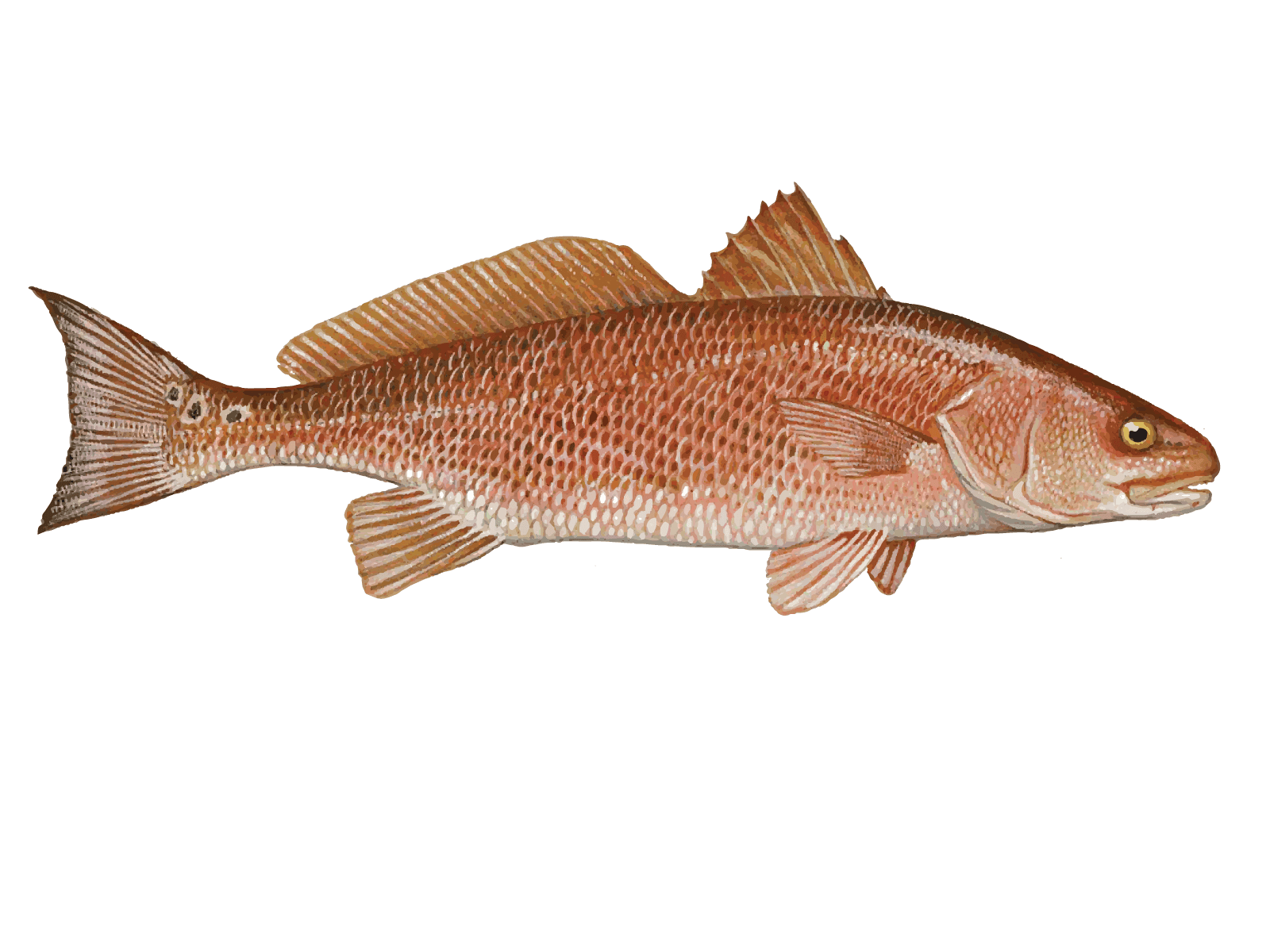
 Redfish
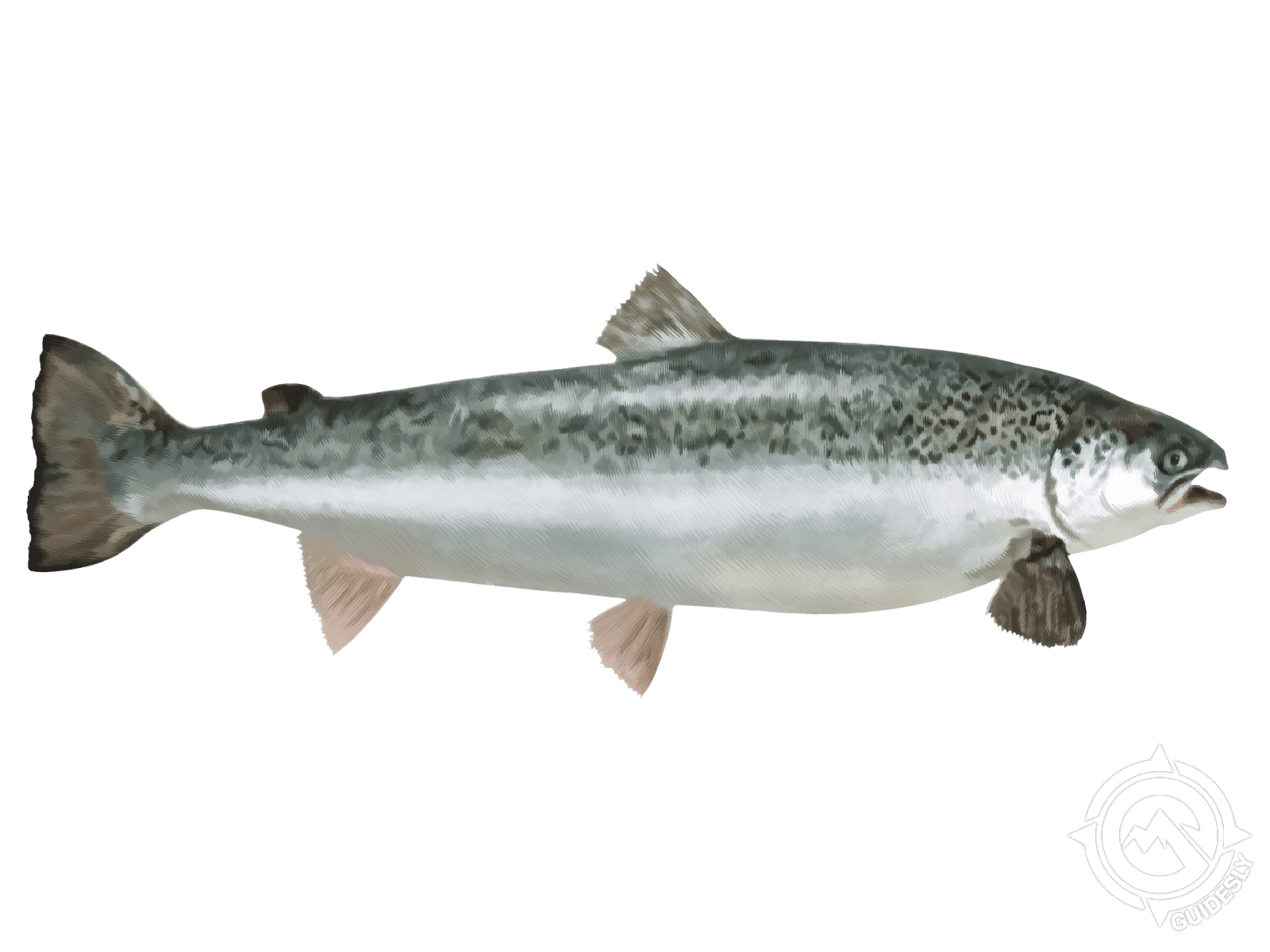
 Sea Trout
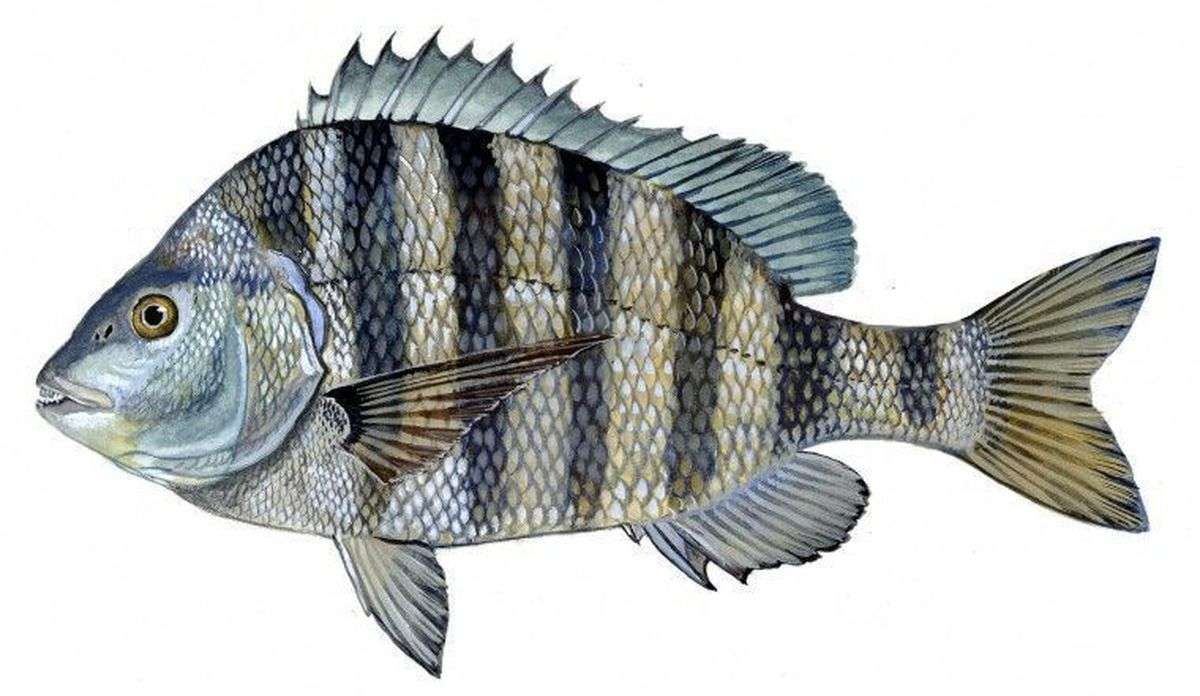
 Sheepshead
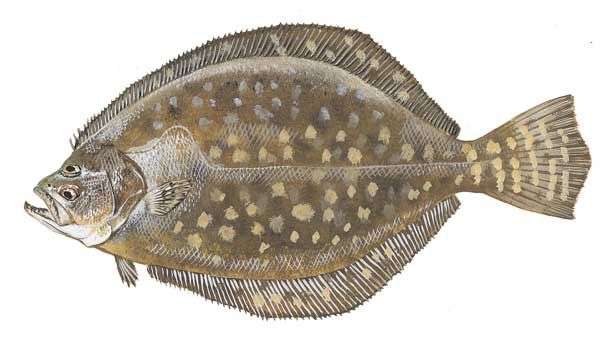
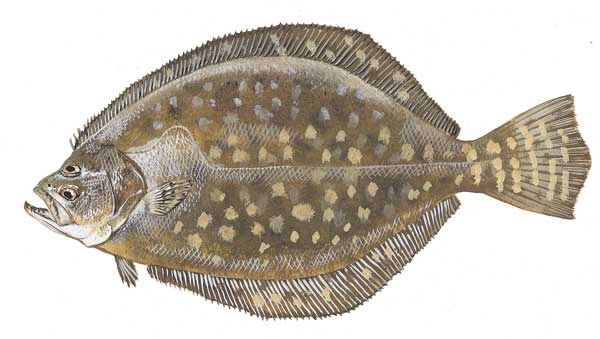 Southern Flounder
- Advanced 6-8 hour charter targeting Redfish, Trout, Sheepshead, and Flounder
- Customized techniques including popping corks and bottom fishing approaches
- All equipment provided with flexible scheduling based on optimal conditions
Trip Pricing and Availabilities:
Hook 'Em in the Louisiana Marsh
Ready to chase some serious fish in the heart of Louisiana's rich marshlands? Captain Jennings is your go-to guy for an action-packed day on the water in Bay St. Louis. This extended half-day trip is tailor-made for anglers who've got some experience under their belts and are itching to tangle with the likes of redfish, speckled trout, sheepshead, and flounder. With up to 8 hours of fishing time, you'll have plenty of chances to land that trophy catch you've been dreaming about.
What's the Deal?
Picture this: You're out on the boat as the sun's coming up, surrounded by the misty Louisiana marsh. Captain Jennings knows these waters like the back of his hand, and he's all about putting you on the fish. This isn't your average tourist trip - we're talking about a real fishing experience where you'll be using techniques like popping corks and bottom fishing to outsmart some of the smartest fish in the Gulf. The captain's got all the gear you need, so just bring your A-game and maybe a lucky hat.
Fishing Know-How
On this trip, we're not messing around with beginner stuff. You'll be using tried-and-true inshore tactics that the locals swear by. Popping corks? Oh yeah, we'll be working those to mimic baitfish and draw in the specks and reds. When it comes to sheepshead and flounder, we'll switch gears to some bottom fishing techniques that'll have you feeling like a pro. Captain Jennings is a master at reading the water and adjusting techniques on the fly, so you might even pick up some new tricks to add to your fishing arsenal.
The Marsh is Calling
The Louisiana marsh isn't just a fishing spot; it's a whole ecosystem teeming with life. As you're casting your line, keep an eye out for ospreys diving for their own catch, or maybe even an alligator sunning itself on the bank. The waterways here are like a maze, and each turn can lead to a new hotspot. It's the kind of place where stories are made - whether it's about the one that got away or the monster red you managed to boat.
Gearing Up for Success
No need to lug your tackle box around - Captain Jennings has got you covered with top-notch gear that's perfect for the local conditions. We're talking about rods and reels that can handle everything from finesse fishing for trout to battling big bulls in the shallows. The boat's decked out with all the latest electronics to help locate the fish, and there's plenty of room for you and your buddies to cast without getting tangled up. Just remember to bring some sunscreen, a hat, and maybe a light jacket - the weather can be as unpredictable as the fish sometimes.
Species You'll Want to Hook
Redfish are the rockstars of the Louisiana marsh, and for good reason. These copper-colored beauties can grow to over 40 inches and put up a fight that'll have your arms burning. They love to hang around structure and will hit everything from live bait to artificial lures. The best part? They're around all year, but fall is prime time when they school up in big numbers.
Speckled trout, or "specks" as the locals call 'em, are another prize catch. These silver-spotted game fish are known for their delicate taste and their tendency to hit topwater lures with explosive strikes. They're most active in the cooler months, from fall through spring, and you can often find them in schools around oyster reefs and deep holes.
Sheepshead might look a bit goofy with those human-like teeth, but don't let that fool you - they're smart cookies and tough to catch. These striped fish hang around pilings and structures, using their chompers to crush crabs and barnacles. Winter and early spring are your best bet for hooking into these crafty critters.
Southern flounder are the ninjas of the marsh. These flatfish are masters of camouflage, blending in with the sandy bottom as they wait to ambush prey. They're most active in the fall when they migrate to spawn, and that's when you can catch some real doormats. Bottom fishing with live bait or soft plastics is the way to go for these tasty fish.
Time to Get Your Line Wet
Look, if you're serious about inshore fishing and want to experience some of the best action the Gulf Coast has to offer, this trip with FINally Fishing Charters is your ticket. Captain Jennings isn't just about putting you on fish; he's about giving you a day on the water you'll be talking about for years to come. Whether you're aiming to fill the cooler or just want the thrill of the catch, this extended half-day trip has got you covered. Don't let another season slip by - grab your fishing buddies, lock in your date, and get ready for some rod-bending action in the Louisiana marsh. The fish are waiting, and so is the captain. What are you waiting for? Book your spot now and let's get fishing!
Learn more about the species
Redfish
These copper-colored bruisers are the crown jewel of our Louisiana marshes. Redfish typically run 20-30 inches in the shallows, but can grow over 40 inches offshore. Look for them tailing in water as shallow as 1-2 feet, often around oyster reefs and grass flats. They're here year-round, but fall is prime time as they school up to spawn. Anglers love reds for their powerful runs and excellent table fare. To catch one, try sight-fishing with gold spoons or soft plastics. My local tip: on calm days, cruise the flats and look for their distinctive V-wake. Once you spot one, make a long cast ahead of its path and slowly retrieve. There's nothing like the heart-pounding thrill of watching a big red track down your lure. Just hang on tight when it hits - these fish can strip line in a hurry!
Sea Trout
Speckled trout are a staple in our Louisiana waters. These silver-sided predators typically run 14-24 inches and put up a great fight on light tackle. You'll find them in grass flats, around oyster reefs, and in deeper channels during winter. They're most active at dawn and dusk, often feeding aggressively on shrimp and small baitfish. Anglers love targeting specks for their sporty nature and excellent table fare. To catch them, try live shrimp under a popping cork or soft plastics worked slowly along grass edges. My go-to local trick is to look for diving birds - they'll lead you right to feeding trout. When you find a school, it's often non-stop action. Just remember to vary your retrieve speed until you dial in what they want. There's nothing quite like the thrill of a speckled trout slamming your lure on a quiet morning.
Sheepshead
These striped 'convict fish' are a blast to catch around our local structures. Typically 1-8 pounds, sheepshead have powerful jaws and human-like teeth perfect for crushing barnacles and crabs. You'll find them around pilings, jetties, and reefs - anywhere with hard structure and plenty of food. Spring is prime time as they school up to spawn. Anglers love the challenge of hooking these bait stealers, plus they're excellent eating. To land one, use small hooks with fiddler crabs or shrimp and fish right up against structure. Here's a local trick: scrape some barnacles off a piling to chum them up. Be ready for a lightning-fast bite and set the hook hard - their tough mouths make them experts at stealing bait. It takes some practice, but catching sheepshead is addictive once you get the hang of it.
Southern Flounder
These flat, oval-shaped ambush predators are a favorite target in our Louisiana marshes. Typically 15-18 inches long and weighing up to 5 pounds, flounder hang out on sandy or muddy bottoms in shallow coastal waters. They're masters of camouflage, blending in perfectly with the substrate. Spring and fall are prime seasons as flounder move between inshore and offshore waters. Anglers love targeting them for their delicate, mild-flavored fillets. To catch one, use a slow retrieve with live bait or soft plastics along the bottom. My local tip: focus on drop-offs and channel edges where flounder wait to ambush prey. Be ready for a subtle bite - they often just pick up the bait and sit there. Set the hook quickly once you feel that telltale weight on the line. Flounder fishing takes patience, but landing one of these tasty flatfish is always rewarding.
About the Center Console Boats
%2F%2Fusers%2F5803740d-4a27-4010-a26b-74c52dec1823%2Fvehicle_picture%2Fimage51.png&w=1920&q=75)
Vehicle Guest Capacity: 4
Manufacturer Name: Yamaha
Maximum Cruising Speed: 35
Number of Engines: 1
Horsepower per Engine: 300